
- Buying
Critical Elements to Review in Your Home Inspection Process
- By Carlos Herrera
Understanding the Importance of a Home Inspection
A home inspection is a crucial step in the home buying process, acting as a safeguard for potential buyers. It provides an objective evaluation of a property's condition and can identify existing problems or potential issues. By comprehending the findings of a home inspection, you can make informed decisions about proceeding with the purchase, negotiating repairs, or adjusting the sale price.
Preparing for the Home Inspection
Preparation is key to ensuring a thorough inspection. Prior to the inspection day, make sure you:
- Select a Qualified Inspector: Choose an inspector with certifications from reputable organizations such as ASHI (American Society of Home Inspectors) or InterNACHI (International Association of Certified Home Inspectors).
- Review the Seller’s Disclosures: Understand any disclosed issues that might need closer examination during the inspection.
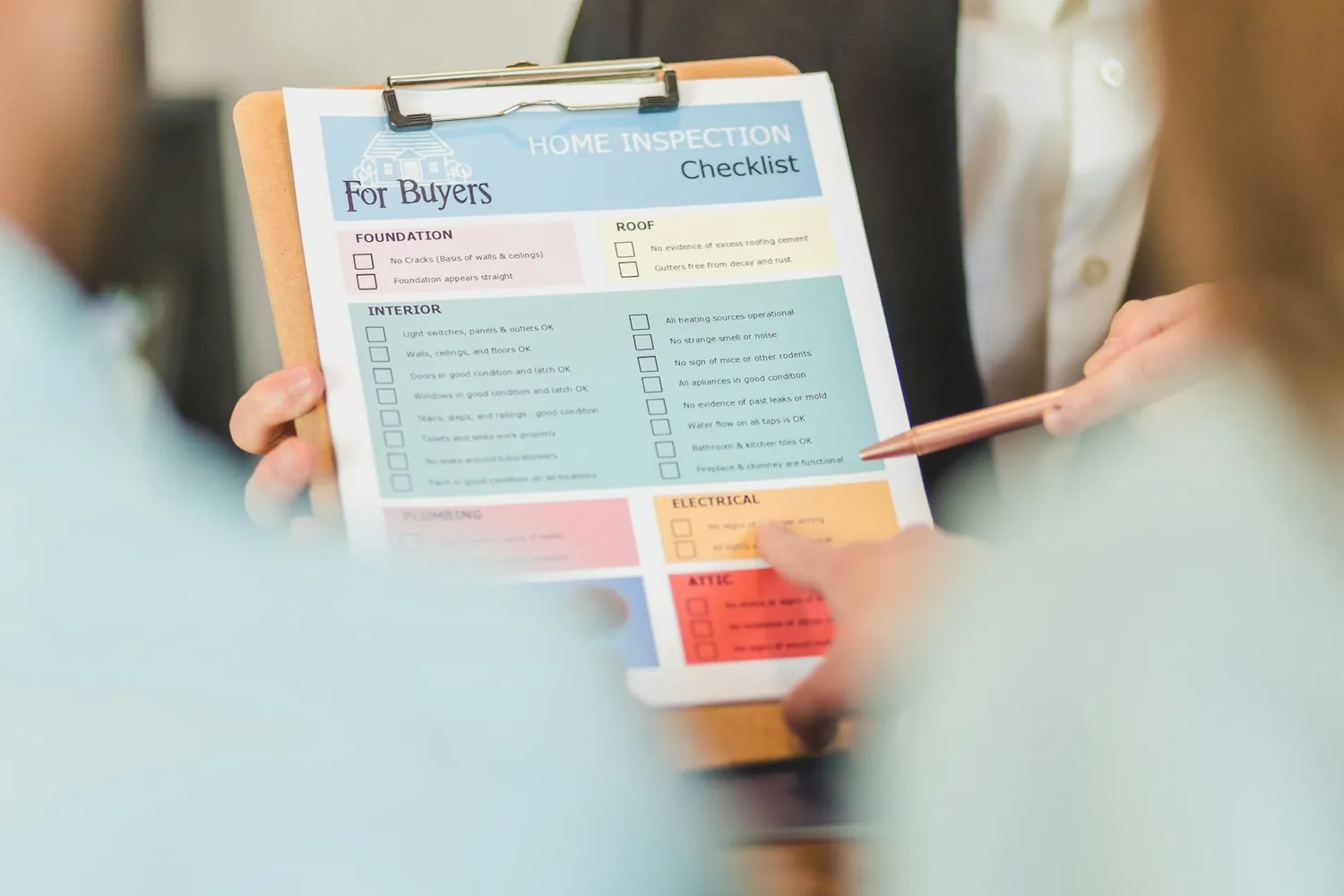
- Make a Checklist: List specific areas you want the inspector to focus on based on your review of the property’s disclosures or personal observations during house tours.
The Home Inspection Process
The inspection typically takes two to three hours and covers a comprehensive checklist, including:
Structural Components
The integrity of a home's structure is paramount. Inspectors will examine the foundation, framing, and roofing for signs of wear, cracks, or water damage. Example: Look for uneven floors or wall cracks that might indicate foundational issues.
Roofing
The roof should be inspected for missing shingles, leaks, or poor drainage. A problematic roof can lead to more significant issues down the line, so it's important to address any concerns here early.
Electrical Systems
Ensure that electrical panels and circuit breakers are up-to-date and compliant with safety standards. Red flags: Exposed wires or outdated wiring systems like knob-and-tube can pose fire hazards.
Plumbing
Inspectors will check for leaks, pipe corrosion, and proper water pressure. They also inspect the water heater's age and functionality. Watch out for water stains under sinks or on ceilings.
HVAC Systems
Heating, ventilation, and air conditioning systems are essential for comfort and energy efficiency. The inspector will assess the age and condition of these systems. Tip: Inquire about regular maintenance records to gauge how well these systems have been cared for.
Common Red Flags and What They Mean
During inspections, some common red flags may indicate serious issues:
- Mold: Could signal moisture problems; requires immediate attention to prevent health risks.
- Pest Infestation: Evidence of termites or rodents can affect structural integrity and requires pest control intervention.
- Asbestos or Lead Paint: Common in older homes, both require professional remediation due to health hazards.
Interpreting the Home Inspection Report
An inspection report can seem daunting at first glance with its detailed information and technical jargon. Here’s how to break it down:
- Read Through Thoroughly: Look for summaries and recommendations often found in section conclusions.
- Focus on Major Issues: Prioritize structural integrity and major systems over minor cosmetic fixes.
- Ask Questions: Don't hesitate to ask your inspector for clarifications on any point you don't understand fully.
Making Informed Decisions Based on Inspection Findings
Your next steps depend significantly on the inspection outcomes. Here are some strategies:
- Negotiate Repairs or Price Reduction: Use significant findings as leverage for repair demands or price negotiation.
- Walk Away: If critical issues are identified and the seller is unwilling to address them, it might be best to reconsider your offer.
A Practical Mini-Framework for Homebuyers
This mini-framework will help streamline your inspection process:
- Create a Pre-Inspection List: Identify personal concerns or focus areas ahead of time.
- Select Your Inspector Wisely: Use referrals or platforms like Angie's List for reviews.
- Attend the Inspection: Being present allows you to ask questions in real-time.
- Review Findings Systematically: Categorize issues by priority - immediate safety concerns, future maintenance, cosmetic changes.
This framework aims to empower buyers to handle inspections confidently, ensuring a well-informed investment decision. With thorough inspections and careful analysis of reports, you gain valuable insights into your potential new home’s true condition.
Related
- Selling
Effective Paint Color Strategies to Boost Your Home's Appeal
Maximizing Curb Appeal with the Right Paint Colors The exterior of your home is the first impression potential buyers will have. A well-chos…

- Homevalue
the role of economic factors in suburban home value shifts
Understanding Suburban Real Estate Dynamics The real estate market in suburban areas is witnessing unprecedented changes, driven largely by…

- Renting
Flexibility in Renting: The Case for Month-to-Month Agreements
The Appeal of Flexibility: Understanding Month-to-Month Rentals In today's fast-paced world, flexibility is a commodity that many renters va…
- Selling
A Checklist for Setting an Effective Home Sale Price
The Importance of Setting the Right Price Setting the right price for your home is crucial to attract potential buyers and achieve a success…
- Homevalue
Analyzing the Connection Between Schools and Local Real Estate Value
Understanding the Influence of School Quality on Home Values The relationship between school quality and real estate values is a topic of si…

- Investing
Understanding the Trade-offs Between Crowdfunded and Traditional Property Investments
Exploring the World of Real Estate Investing In recent years, the landscape of real estate investing has evolved significantly. Among the ne…