
- Buying
Mastering Home Purchase Negotiations for Optimal Pricing Strategies
- By Liam Johnson
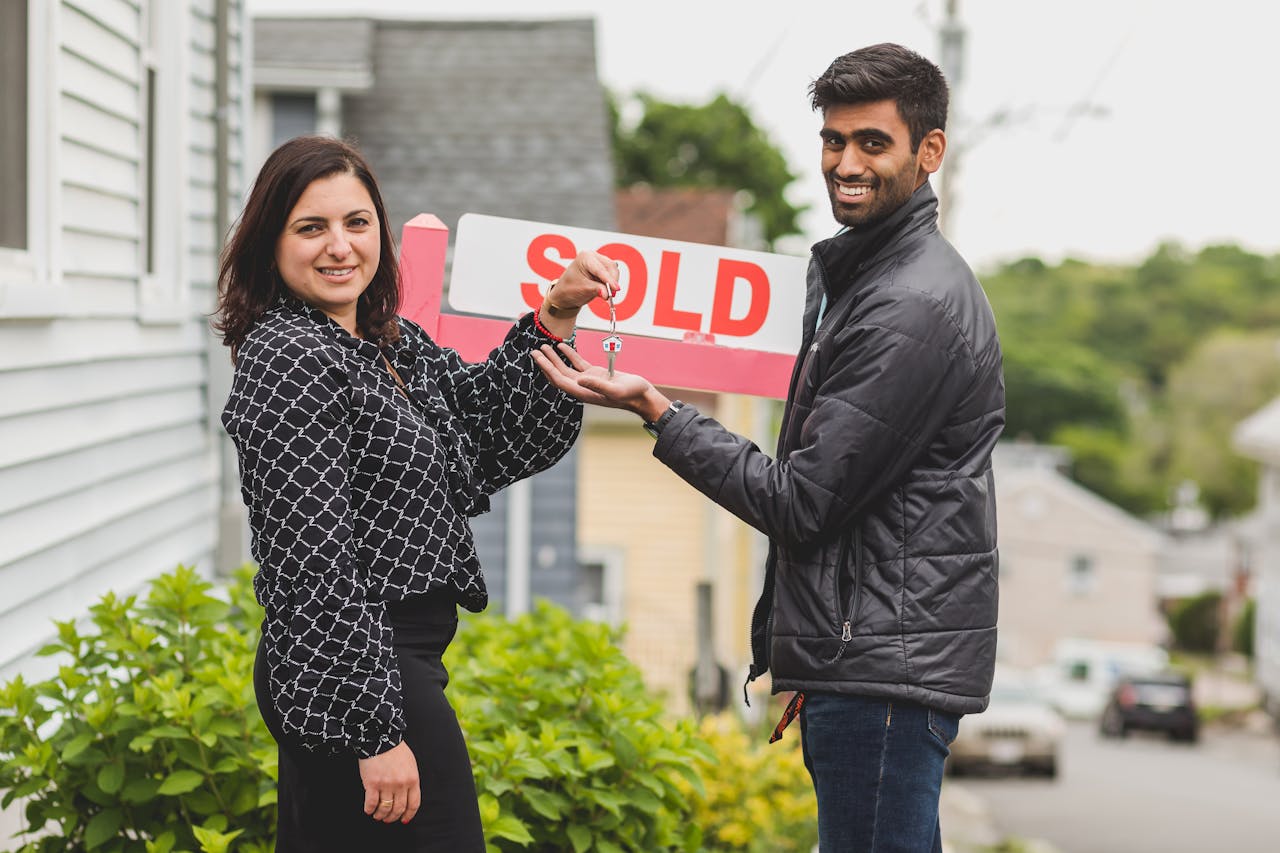
Understanding the Fundamentals of Real Estate Negotiation
Real estate negotiation is a nuanced process that requires strategic planning and insight. The objective is simple: to secure a home at the best possible price. However, achieving this goal demands more than just making an offer. It involves understanding the market, preparing compelling data, and tapping into the seller's motivations.
The Importance of Comparable Sales Data
Comparable sales data, often referred to as 'comps', are crucial in negotiations. These are recent sale prices of similar properties in the same area, providing a benchmark for evaluating the home's price. For instance, if a three-bedroom house sold for $300,000 in the past six months, it can serve as a reference point for your negotiations.
How to Gather Comps
- Consult Real Estate Platforms: Use online tools like Zillow or Realtor.com to find recent sales.
- Engage a Real Estate Agent: An experienced agent can provide detailed comps, adding insights not easily found online.
- Visit Local Government Offices: Records of property sales are public information and can often be accessed through county websites or local offices.
When presenting comps during negotiations, it's beneficial to emphasize similarities in property features, such as square footage and age, to strengthen your position.
Deciphering Seller Motivations
Understanding the seller's motivations can give you a strategic advantage. A motivated seller may be more inclined to negotiate the price favorably. Here are some common seller motivations:
- Relocation Needs: Sellers moving for work or personal reasons might prioritize a quick sale over maximizing profit.
- Financial Pressure: Those facing financial difficulties may be eager to sell quickly.
- Market Timing: Sellers wishing to close before a downturn or capitalize on peak market conditions might offer flexibility on price.
To uncover these motivations, engage in conversation during property viewings or ask your real estate agent to gather intelligence discreetly.
Preparing Your Offer
Your initial offer should be competitive yet leave room for negotiation. Consider starting slightly below your maximum budget to allow wiggle room. For example, if your top budget is $280,000, an opening bid of $260,000 could be strategic.
Writing an Effective Offer Letter
An offer letter humanizes the transaction, appealing to sellers on a personal level. In your letter:
- Express Sincere Interest: Mention what you love about the property and how you envision your future there.
- Acknowledge Market Conditions: Briefly mention any relevant market data that supports your offer.
- Be Polite and Professional: Maintain a respectful tone to foster goodwill throughout the negotiation process.
Navigating Counteroffers
A counteroffer from the seller is common and should not deter you. Instead, view it as an opportunity to refine your strategy. Analyze the counteroffer's terms carefully—does it only adjust the price, or are there other conditions such as closing dates or repairs?
If a counteroffer exceeds your budget, reassess your priorities or negotiate other terms that could offset the price increase, such as closing cost contributions or including certain appliances.
The Role of Emotions in Negotiations
While real estate transactions involve substantial financial considerations, emotions also play a significant role. Maintaining a balanced emotional state is key. Excitement about finding the perfect home or frustration over prolonged negotiations can cloud judgment.
Tactics for Managing Emotions
- Stick to Your Budget: Establish a firm limit based on financial assessments before entering negotiations.
- Take Breaks: If negotiations become tense, don’t hesitate to take a step back and regroup.
- Use Your Agent’s Expertise: Let your real estate agent handle challenging conversations, leveraging their experience to maintain composure and focus on facts.
Case Study: Achieving Success in Real Estate Negotiations
Consider the case of Emily and Jack, first-time homebuyers in Denver. Their journey underscores effective negotiation practices. After identifying a potential home listed at $320,000, they gathered comps indicating a median price of $305,000 for similar properties.
By presenting this data alongside their offer of $295,000, they demonstrated market awareness. Understanding the sellers were relocating for work prompted Emily and Jack to emphasize their readiness to close within 30 days, appealing to the sellers’ urgency. Ultimately, their balanced approach secured the house for $298,000.
The Art of Finalizing Your Deal
Once terms are agreed upon, ensure all details are meticulously documented. Review contracts with your agent and attorney if necessary. Clarify any contingencies and confirm timelines to avoid last-minute surprises.
This closing phase is also where buyers should re-inspect the property if necessary and ensure all stipulated repairs are completed satisfactorily. Being thorough at this stage prevents potential post-sale issues.
Conclusion: Empower Yourself Through Knowledge
Navigating home purchase negotiations successfully hinges on preparation and strategy. By arming yourself with comprehensive market data and understanding seller motivations, you're better positioned to craft an offer that satisfies both parties' needs. Remember that patience and clear communication are your allies in securing an optimal home purchase deal.
Related
- Selling
Effective Paint Color Strategies to Boost Your Home's Appeal
Maximizing Curb Appeal with the Right Paint Colors The exterior of your home is the first impression potential buyers will have. A well-chos…

- Homevalue
the role of economic factors in suburban home value shifts
Understanding Suburban Real Estate Dynamics The real estate market in suburban areas is witnessing unprecedented changes, driven largely by…

- Renting
Flexibility in Renting: The Case for Month-to-Month Agreements
The Appeal of Flexibility: Understanding Month-to-Month Rentals In today's fast-paced world, flexibility is a commodity that many renters va…
- Selling
A Checklist for Setting an Effective Home Sale Price
The Importance of Setting the Right Price Setting the right price for your home is crucial to attract potential buyers and achieve a success…
- Homevalue
Analyzing the Connection Between Schools and Local Real Estate Value
Understanding the Influence of School Quality on Home Values The relationship between school quality and real estate values is a topic of si…

- Investing
Understanding the Trade-offs Between Crowdfunded and Traditional Property Investments
Exploring the World of Real Estate Investing In recent years, the landscape of real estate investing has evolved significantly. Among the ne…