
- Buying
The pros and cons of buying a historic home versus a modern one
- By Amelia Davis
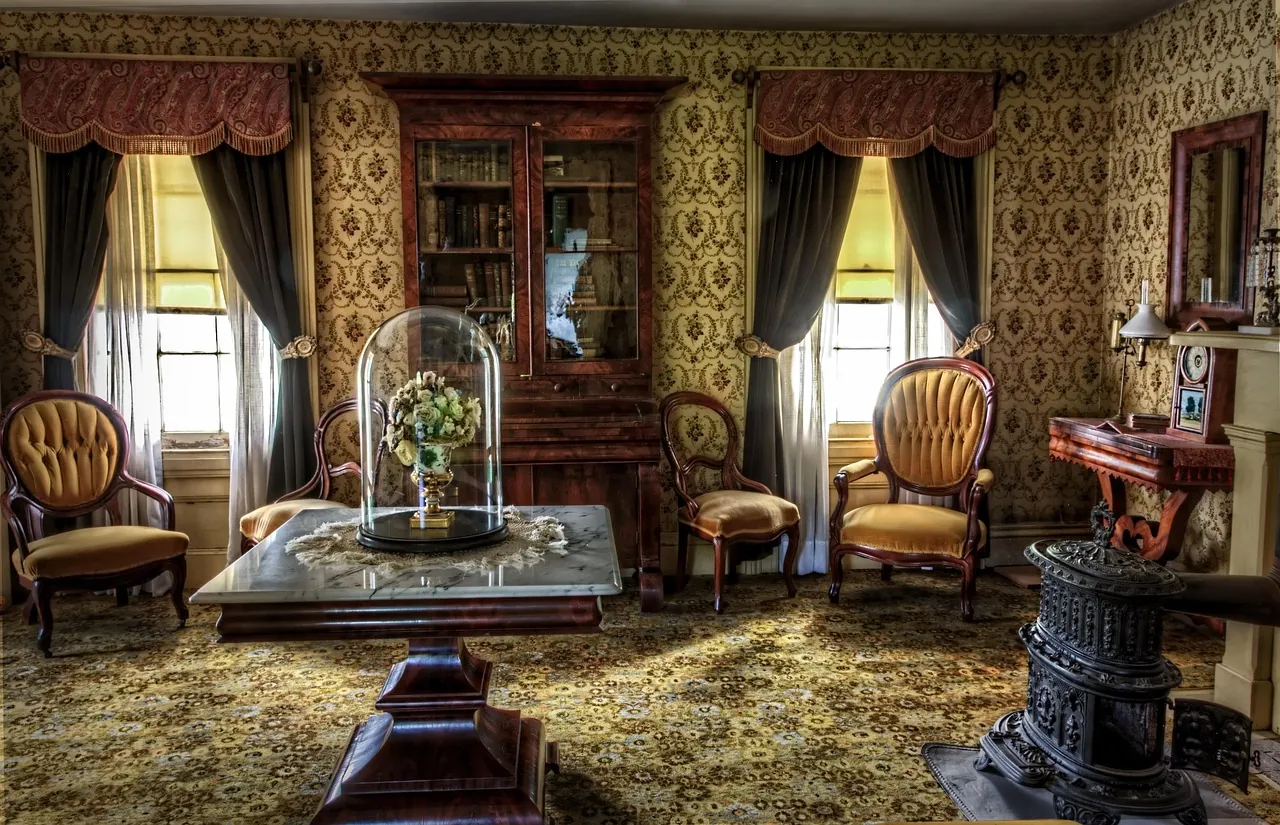
The Allure of Historic Homes
Historic homes have a charm that is hard to replicate. Their detailed architecture, storied past, and unique character are often the very attributes that draw buyers in. However, purchasing a historic home comes with its own set of considerations and challenges.
Benefits of Buying a Historic Home
- Unique Architecture: Historic homes often feature unique architectural elements such as hand-carved moldings, stained glass windows, and intricate woodwork.
- Established Neighborhoods: Many historic homes are located in well-established neighborhoods, which can offer a sense of community and stability.
- Potential for Tax Incentives: Some local governments offer tax incentives or grants for preserving historic properties, which can help offset the costs of maintenance and restoration.
Challenges of Owning a Historic Home
- Preservation Regulations: Historic homes may be subject to strict preservation regulations that dictate what changes can be made to the property. These rules can limit your ability to make significant alterations or improvements.
- Higher Maintenance Costs: Older homes may require more frequent repairs and maintenance, particularly if original materials or techniques need to be preserved.
- Financing Complications: Securing financing for a historic home can be more complex due to their specialized nature and potentially higher insurance costs.
The Appeal of Modern Homes
Modern homes stand in contrast to their historic counterparts with sleek designs, state-of-the-art amenities, and energy-efficient systems. They offer conveniences that are attractive to today's buyers.
Advantages of Purchasing a Modern Home
- Energy Efficiency: Modern homes are typically built with energy efficiency in mind, featuring advanced insulation, efficient heating and cooling systems, and environmentally friendly building materials.
- Lower Maintenance Needs: New construction generally means fewer immediate repairs or updates are necessary, which can save homeowners both time and money.
- Customizable Interiors: Buyers often have the opportunity to customize aspects of modern homes during the building process, tailoring them to personal tastes and needs.
Disadvantages of Modern Homes
- Lack of Character: Some buyers feel that modern homes lack the character and uniqueness found in older properties, often opting instead for the distinctiveness of historic architecture.
- Younger Neighborhoods: Modern homes may be located in newly developed areas, which may not have the mature landscapes or established amenities that older neighborhoods offer.
Navigating Preservation Regulations
If you're considering purchasing a historic home, it is crucial to understand the preservation regulations that may apply. These rules are designed to maintain the historical integrity of buildings and neighborhoods but can restrict certain modifications. Engage with local historical societies or preservation boards early in the buying process to understand what is permissible.
Steps to Navigate Regulations
- Research local ordinances and guidelines related to historic properties.
- Consult with professionals who specialize in historic preservation to gain insights on potential modifications.
- Consider obtaining a pre-purchase inspection focused on preservation needs to evaluate future costs accurately.
Financing Options for Historic Homes
Financing a historic home can be slightly more complex than financing modern homes due to their unique nature. However, specific loan products cater to these properties.
Specialized Loans for Historic Homes
Some lenders offer specialized loans for historic properties that consider the potential added costs of restoration and preservation. For instance, FHA 203(k) loans can finance both the purchase price and renovation costs within one mortgage.
- Work with a lender experienced in historic properties to explore available options.
- Investigate state and local grants or tax credits aimed at promoting historic preservation; these can significantly reduce overall expenses.
Balancing Modernization with Historical Integrity
While maintaining the historical authenticity of your home is important, integrating modern conveniences can improve functionality. Balancing these elements requires careful planning and sensitivity to original design features.
Tips for Modernizing Historic Homes
- Select sympathetic materials: Use modern materials that replicate historical aesthetics where possible.
- Focus on reversible changes: Prioritize changes that can be undone without damaging original features.
- Upgrade core systems: Prioritize updates to plumbing, electrical, and HVAC systems as these don't impact visual aesthetics but significantly enhance livability.
Conclusion: Weighing Your Options
The decision between buying a historic home versus a modern one depends on your personal preferences, lifestyle needs, and financial considerations. Historic homes offer unique beauty and connection to the past but require careful stewardship. In contrast, modern homes provide ease of living with contemporary comforts but may lack the storied charm of older residences. Carefully assess your priorities and resources before making a decision that aligns best with your vision of home ownership.
Related
- Selling
Effective Paint Color Strategies to Boost Your Home's Appeal
Maximizing Curb Appeal with the Right Paint Colors The exterior of your home is the first impression potential buyers will have. A well-chos…

- Homevalue
the role of economic factors in suburban home value shifts
Understanding Suburban Real Estate Dynamics The real estate market in suburban areas is witnessing unprecedented changes, driven largely by…

- Renting
Flexibility in Renting: The Case for Month-to-Month Agreements
The Appeal of Flexibility: Understanding Month-to-Month Rentals In today's fast-paced world, flexibility is a commodity that many renters va…
- Selling
A Checklist for Setting an Effective Home Sale Price
The Importance of Setting the Right Price Setting the right price for your home is crucial to attract potential buyers and achieve a success…
- Homevalue
Analyzing the Connection Between Schools and Local Real Estate Value
Understanding the Influence of School Quality on Home Values The relationship between school quality and real estate values is a topic of si…

- Investing
Understanding the Trade-offs Between Crowdfunded and Traditional Property Investments
Exploring the World of Real Estate Investing In recent years, the landscape of real estate investing has evolved significantly. Among the ne…