
- Homevalue
How Enhanced Transportation Networks Impact Real Estate Valuations
- By Jack Turner
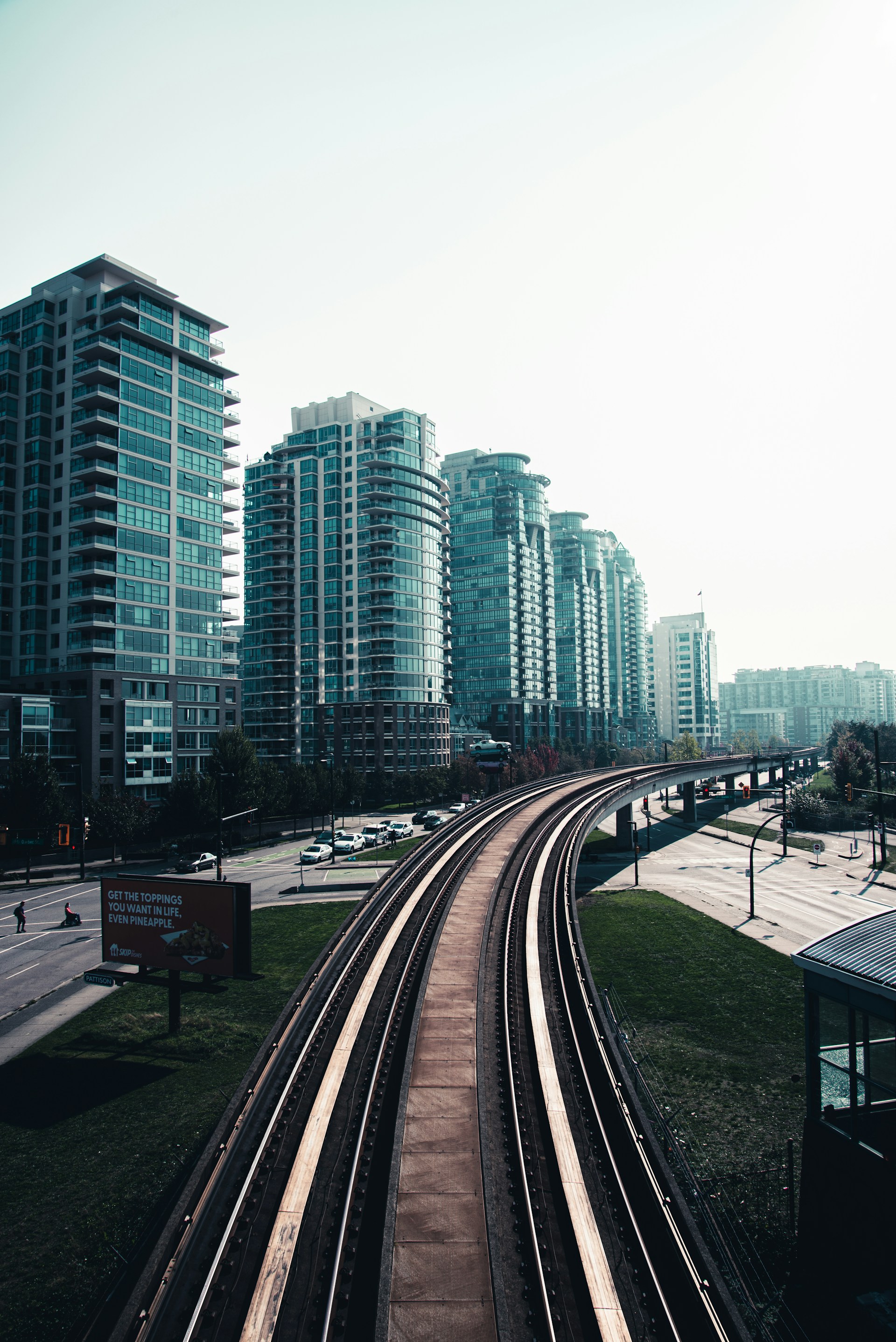
The Connection Between Transportation and Real Estate Valuations
Transportation infrastructure is more than just a means of moving people from one place to another; it plays a critical role in shaping the economic landscape of urban areas. The enhancement of transportation networks often leads to significant changes in real estate valuations, as improved accessibility can make neighborhoods more desirable.
Case Study: The London Crossrail Project
The Crossrail project in London, also known as the Elizabeth Line, serves as a prime example of how enhanced transportation can affect property values. This new railway line, which stretches over 100 kilometers across the city, connects key areas with improved speed and efficiency.
Impact on Home Values: As stations along the Crossrail route neared completion, areas like Woolwich and Tottenham Court Road saw an increase in residential property values by up to 25%. Properties within walking distance of these stations attracted higher interest from buyers and investors, demonstrating how transit improvements can lead to increased demand and home prices.
Case Study: New York City's Second Avenue Subway
Another illustrative case is the Second Avenue Subway in New York City. This expansion was designed to alleviate congestion on the Lexington Avenue line and enhance connectivity for Upper East Side residents.
Changes Observed: Since the opening of the new subway line, areas such as Yorkville experienced an uplift in property values and rental prices. According to data from StreetEasy, median sales prices in Yorkville rose by approximately 8% in the year following the subway's debut. The improved accessibility has made these neighborhoods more attractive to commuters, contributing to increased valuations.
Advantages of Improved Transportation Networks
- Increased Property Demand: Areas with enhanced transportation options tend to attract more homebuyers due to the convenience of commuting and potential time savings.
- Economic Growth: Improved transit can stimulate local economies by making areas more accessible for businesses and workers alike.
- Diversified Housing Markets: Enhanced transportation can encourage varied housing developments, catering to different demographics and income levels.
Challenges and Considerations
While improved transportation can significantly boost real estate values, it is not without challenges. Gentrification is a common concern, where rising property prices may displace long-time residents unable to afford the new cost of living. Balancing growth with community needs remains a pivotal consideration.
Balancing Development and Community Needs
Urban planners and developers must engage with communities to ensure that new transport links benefit existing residents. Strategies could include affordable housing mandates or local business support initiatives.
When to Invest in Transport-Enhanced Areas
For investors, timing and location are crucial when considering properties near newly developed transportation networks. Early investment during the planning or construction phase of transport projects can yield significant returns as infrastructure develops.
- Research Upcoming Projects: Stay informed about government infrastructure plans to identify potential high-growth areas.
- Analyze Market Trends: Evaluate current market conditions and demographic shifts in areas expecting new transport links.
Conclusion
The impact of enhanced transportation networks on real estate valuations is profound and multifaceted. By studying cases like London's Crossrail and New York's Second Avenue Subway, we gain insights into how infrastructure projects shape urban environments. Whether as a homeowner or an investor, understanding these dynamics allows for informed decision-making regarding property investments. Ultimately, successful navigation of this relationship requires a balance between leveraging growth opportunities and addressing community concerns.
Related
- Selling
Effective Paint Color Strategies to Boost Your Home's Appeal
Maximizing Curb Appeal with the Right Paint Colors The exterior of your home is the first impression potential buyers will have. A well-chos…

- Homevalue
the role of economic factors in suburban home value shifts
Understanding Suburban Real Estate Dynamics The real estate market in suburban areas is witnessing unprecedented changes, driven largely by…

- Renting
Flexibility in Renting: The Case for Month-to-Month Agreements
The Appeal of Flexibility: Understanding Month-to-Month Rentals In today's fast-paced world, flexibility is a commodity that many renters va…
- Selling
A Checklist for Setting an Effective Home Sale Price
The Importance of Setting the Right Price Setting the right price for your home is crucial to attract potential buyers and achieve a success…
- Homevalue
Analyzing the Connection Between Schools and Local Real Estate Value
Understanding the Influence of School Quality on Home Values The relationship between school quality and real estate values is a topic of si…

- Investing
Understanding the Trade-offs Between Crowdfunded and Traditional Property Investments
Exploring the World of Real Estate Investing In recent years, the landscape of real estate investing has evolved significantly. Among the ne…