
- Investing
Real-Life Transformations: Profitable Investments in Foreclosed Properties
- By Carlos Herrera
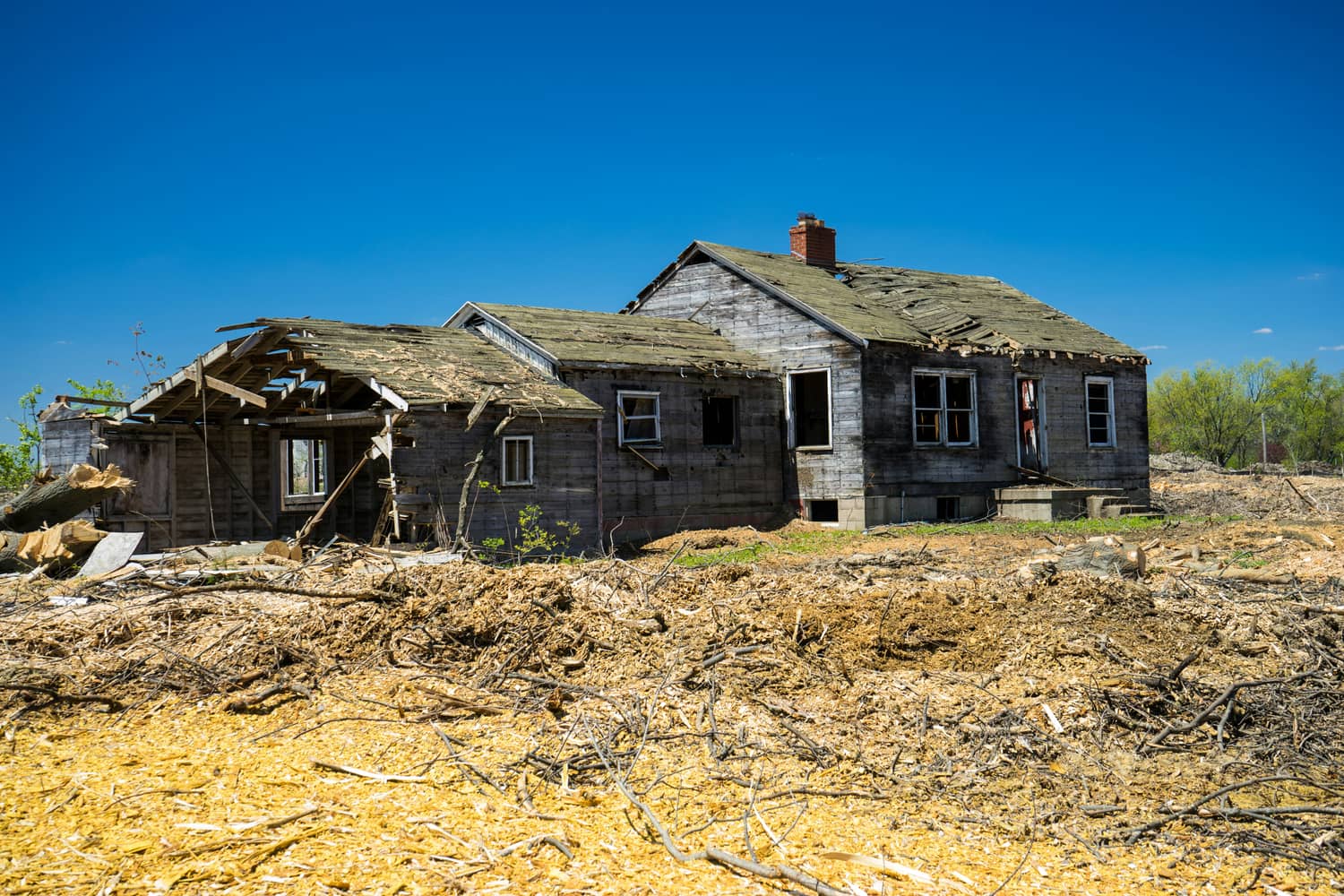
The Unexpected Advantages of Buying Foreclosed Homes
Investing in real estate is a tried-and-true strategy for building wealth, and purchasing foreclosed properties can be an especially lucrative avenue. These properties often come with significant cost savings that can increase profitability potential, but they also present unique challenges and opportunities that investors need to consider.
Cost Savings and Investment Potential
Foreclosed properties are typically sold at a discount compared to the market value of similar homes. This is because lenders who own these properties after foreclosure are often motivated to sell quickly to recover their outstanding loan balances. This creates a buying opportunity where investors can acquire properties below market value, potentially resulting in substantial returns after renovations and resale or rental.
Furthermore, the investment potential of foreclosures isn't limited to quick flips. Savvy investors recognize the long-term benefits of transforming these neglected homes into profitable rentals. The steady income generated from renting out these properties can provide a reliable revenue stream while the property appreciates over time.
Real-Life Success Stories
Consider the example of Sarah and Mark Thompson, a couple from Phoenix, Arizona, who ventured into real estate investing by purchasing a foreclosed home. Acquired for $120,000 in a neighborhood where similar homes were valued at around $180,000, they invested an additional $30,000 into necessary repairs and cosmetic upgrades.
The total investment amounted to $150,000, but once renovations were complete, the home's value increased to $200,000. Opting to rent out the property instead of selling it immediately, the Thompsons secured a monthly rental income of $1,500. This decision not only provided them with a positive cash flow but also allowed their investment to appreciate further.
Contrasting Approaches: Flip vs. Hold
When investing in foreclosed properties, investors often face a critical decision: flip the property for a quick profit or hold onto it as a rental for long-term gains. Each approach has its advantages and disadvantages, and the decision largely depends on personal financial goals and market conditions.
Flipping Properties: Quick Profits
Flipping involves purchasing a property, renovating it, and reselling it at a higher price within a short period. This approach can generate significant profits quickly, but it also requires a keen understanding of the local real estate market and a well-thought-out renovation plan.
- Pros: Quick return on investment; ideal for volatile markets where long-term holding might be risky; capital can be reinvested in new opportunities quickly.
- Cons: Requires substantial initial capital; risk of market fluctuations; unexpected renovation costs can cut into profits.
Holding Properties: Long-Term Gains
Conversely, holding a property as a rental can provide ongoing income while allowing the asset to appreciate over time. This strategy can be more stable and sustainable, especially in stable or growing markets.
- Pros: Steady cash flow from rent; potential for long-term appreciation; tax benefits from property depreciation.
- Cons: Requires property management; market downturns can affect rental income; slower capital recovery compared to flipping.
Practical Tips for Transforming Foreclosed Properties
Investing in foreclosed properties requires due diligence and strategic planning. Here are some practical tips for those considering this investment route:
Thorough Research
Understanding the market and neighborhood where you're investing is crucial. Research comparable home prices, average rental rates, and future development plans in the area. Tools like online real estate platforms and local real estate agents can provide valuable insights.
Accurate Budgeting
Create a realistic budget that includes purchase price, renovation costs, holding costs (such as mortgage payments if applicable), and potential resale or rental income. Allocate extra funds for unexpected expenses that might arise during the renovation process.
Strategic Renovations
Focus on renovations that add value without overspending. Essential repairs like plumbing and electrical should be prioritized, but consider cosmetic upgrades that enhance curb appeal and interior aesthetics to attract renters or buyers.
Building a Reliable Team
A successful transformation often relies on a skilled team. Find experienced contractors who specialize in foreclosures and understand the constraints of working with these properties. A good real estate agent who is familiar with the foreclosure process can also be an invaluable ally.
Navigating Legal and Financial Hurdles
The foreclosure market involves certain legal complexities. Investors must be prepared to navigate these challenges by working with professionals who can ensure compliance with all relevant laws and regulations.
Understanding Foreclosure Laws
Laws regarding foreclosures can vary significantly by state, affecting the timeline and process of purchasing these properties. It's crucial to understand local foreclosure laws and work with an attorney if necessary to avoid legal pitfalls.
Sourcing Financing Options
Financing a foreclosed property purchase might be different from traditional home buying. Some investors pay in cash to expedite the process and gain leverage in negotiations. However, financing options do exist, such as hard money loans specifically designed for real estate investments.
The Future of Foreclosure Investing
The demand for affordable housing continues to rise, making foreclosures an attractive option for investors seeking to fill this gap. While the risks associated with these investments are undeniable, so too are the potential rewards for those willing to navigate this complex but promising landscape.
The key is careful planning, comprehensive research, and an adaptive strategy tailored to current market conditions. With these tools at their disposal, investors can successfully transform foreclosed properties into profitable ventures that contribute positively to their portfolios and communities alike.
Related
- Selling
Effective Paint Color Strategies to Boost Your Home's Appeal
Maximizing Curb Appeal with the Right Paint Colors The exterior of your home is the first impression potential buyers will have. A well-chos…

- Homevalue
the role of economic factors in suburban home value shifts
Understanding Suburban Real Estate Dynamics The real estate market in suburban areas is witnessing unprecedented changes, driven largely by…

- Renting
Flexibility in Renting: The Case for Month-to-Month Agreements
The Appeal of Flexibility: Understanding Month-to-Month Rentals In today's fast-paced world, flexibility is a commodity that many renters va…
- Selling
A Checklist for Setting an Effective Home Sale Price
The Importance of Setting the Right Price Setting the right price for your home is crucial to attract potential buyers and achieve a success…

- Homevalue
Analyzing the Connection Between Schools and Local Real Estate Value
Understanding the Influence of School Quality on Home Values The relationship between school quality and real estate values is a topic of si…

- Investing
Understanding the Trade-offs Between Crowdfunded and Traditional Property Investments
Exploring the World of Real Estate Investing In recent years, the landscape of real estate investing has evolved significantly. Among the ne…