
- Market
Practical Tips for Tracking Neighborhood Developments' Impact on Homes
- By Lucas White
Understanding the Importance of Neighborhood Developments
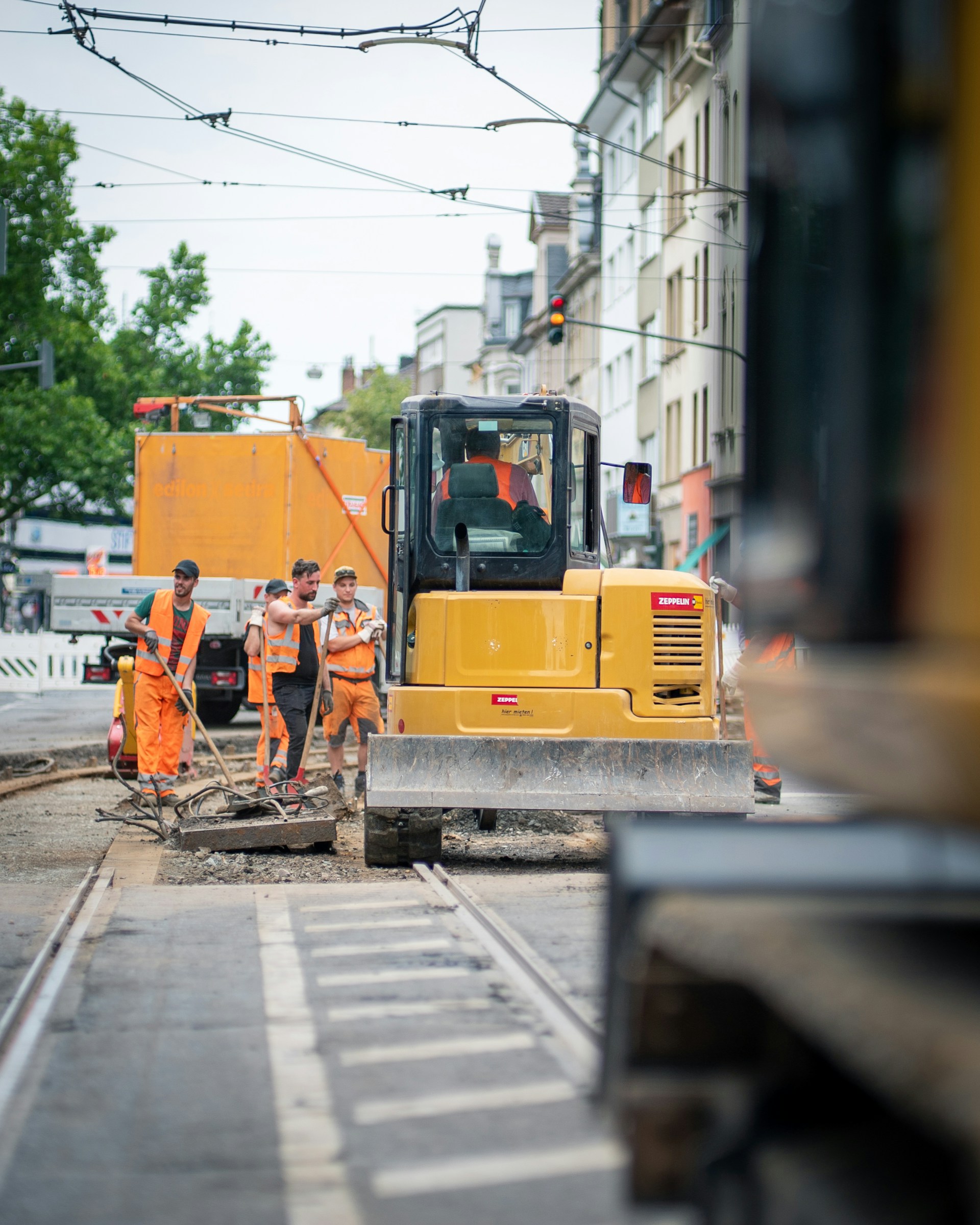
Neighborhood developments such as new schools, public transport systems, parks, and commercial centers have a significant impact on local property values. These changes can enhance the attractiveness of an area, making properties more desirable, or in some cases, introduce challenges that may decrease value. Understanding these dynamics is essential for homeowners looking to sell and investors aiming to make informed purchase decisions.
Key Factors Influencing Property Values
When assessing the impact of neighborhood developments, consider several key factors:
- Infrastructure Improvements: New roads or improved public transportation can make areas more accessible, increasing demand and property values.
- Educational Facilities: The establishment of a new school often raises property values due to increased demand from families.
- Parks and Recreational Spaces: Proximity to green spaces typically enhances property desirability.
- Commercial Development: New shopping centers and amenities can boost property appeal but might also introduce traffic and noise.
Practical Steps to Monitor Developments
Monitoring neighborhood developments requires a proactive approach. Here are practical steps to guide you:
1. Engage with Local Planning Departments
Visit your local planning department’s website or office to access information on upcoming projects. Most municipalities provide comprehensive development plans and zoning changes online.
2. Attend Community Meetings
Community meetings offer insights into planned developments and allow residents to voice opinions. Active participation can provide you with valuable information directly from developers and municipal planners.
3. Set Up News Alerts
Create news alerts for your neighborhood using Google Alerts or similar services. This will keep you informed about news articles or announcements related to local developments.
4. Use Real Estate Apps
Applications like Zillow or Redfin often include information about local development trends and infrastructure changes, which can indicate potential shifts in property values.
5. Network with Real Estate Professionals
Real estate agents and brokers often have insider knowledge about up-and-coming areas. Building relationships with these professionals can provide early insights into beneficial developments.
A Checklist for Homeowners and Investors
This checklist helps ensure no stone is left unturned when assessing the impact of neighborhood developments on property values:
- Research proposed and ongoing infrastructure projects in the area.
- Evaluate the potential impact of new schools on family demographics and demand.
- Assess proximity to new commercial developments and weigh benefits against possible drawbacks like noise or traffic.
- Investigate environmental considerations, such as new parks or green initiatives.
- Consider crime rates and any public safety improvements tied to the developments.
A Mini-Framework for Evaluating Developments
The following framework can assist you in systematically evaluating neighborhood developments:
- Identify Key Developments: Begin by listing known upcoming developments within your area.
- Analyze Impact: Determine potential positive or negative impacts on local real estate by considering accessibility, desirability, and demographic shifts.
- Conduct Comparative Analysis: Compare property price trends in areas with similar developments to gauge possible future outcomes for your locality.
- Create a Monitoring Plan: Set up periodic reviews of ongoing projects, utilizing public records, community updates, and real estate market reports.
Concluding Thoughts
By understanding how neighborhood developments impact property values, you can make more informed decisions whether buying, selling, or investing in real estate. Continuous monitoring, combined with active engagement in your community's development plans, ensures you stay ahead of the curve in recognizing both opportunities and risks associated with changes in your neighborhood.
Related
- Selling
Effective Paint Color Strategies to Boost Your Home's Appeal
Maximizing Curb Appeal with the Right Paint Colors The exterior of your home is the first impression potential buyers will have. A well-chos…

- Homevalue
the role of economic factors in suburban home value shifts
Understanding Suburban Real Estate Dynamics The real estate market in suburban areas is witnessing unprecedented changes, driven largely by…

- Renting
Flexibility in Renting: The Case for Month-to-Month Agreements
The Appeal of Flexibility: Understanding Month-to-Month Rentals In today's fast-paced world, flexibility is a commodity that many renters va…
- Selling
A Checklist for Setting an Effective Home Sale Price
The Importance of Setting the Right Price Setting the right price for your home is crucial to attract potential buyers and achieve a success…
- Homevalue
Analyzing the Connection Between Schools and Local Real Estate Value
Understanding the Influence of School Quality on Home Values The relationship between school quality and real estate values is a topic of si…

- Investing
Understanding the Trade-offs Between Crowdfunded and Traditional Property Investments
Exploring the World of Real Estate Investing In recent years, the landscape of real estate investing has evolved significantly. Among the ne…