
- Renting
Cost Analysis: Comparing Expenses in Furnished Versus Unfurnished Rentals
- By Liam Johnson
Understanding the Differences Between Furnished and Unfurnished Rentals
Choosing between a furnished and an unfurnished rental property is a decision that can significantly impact your financial planning and living experience. Both options have their unique advantages and drawbacks, and understanding these can help potential tenants make informed decisions.
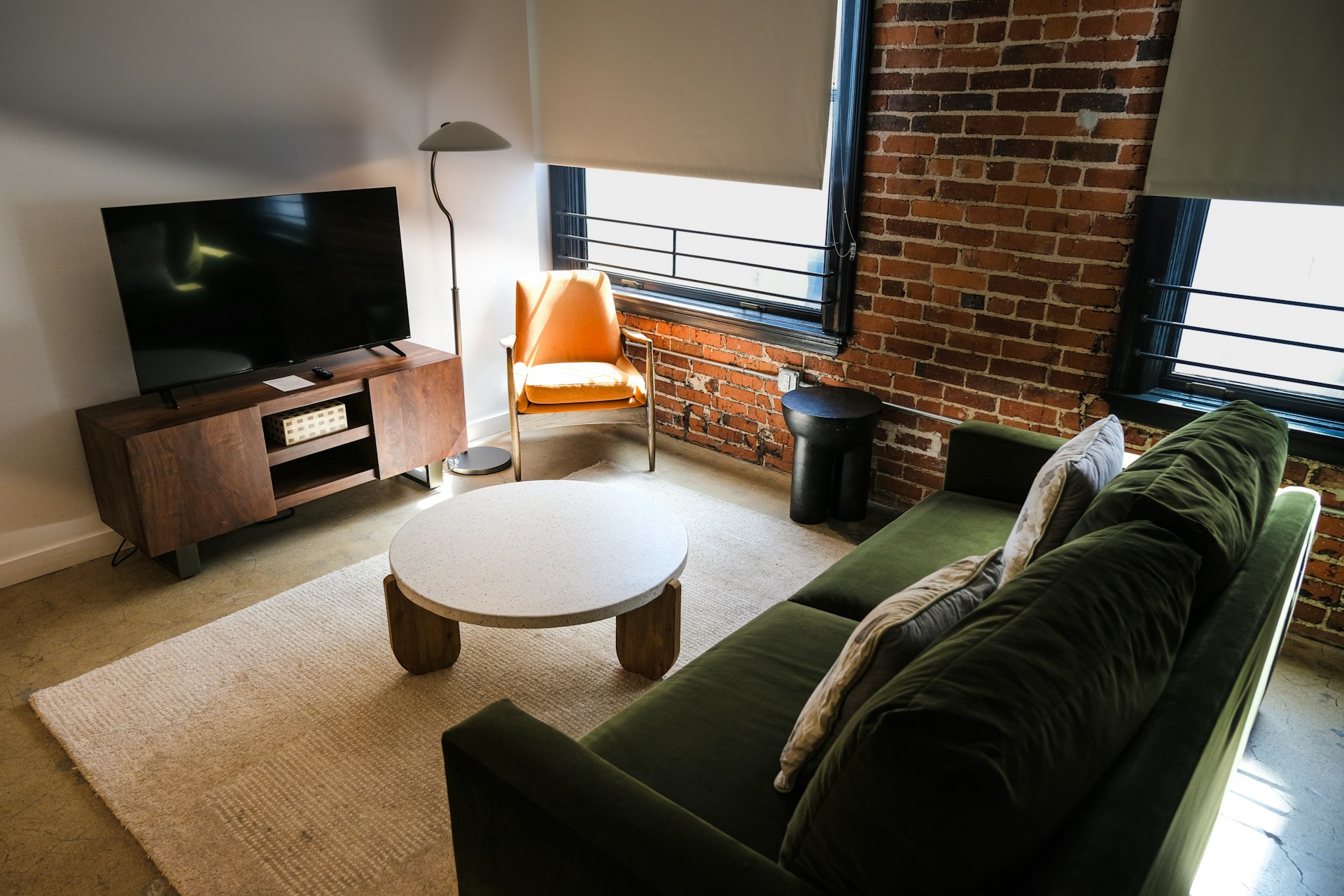
A furnished rental typically includes basic furniture such as beds, sofas, tables, and sometimes even kitchenware and electronics. On the other hand, an unfurnished rental comes without these items, requiring tenants to provide their own furniture and essentials.
Financial Implications
Initial Costs and Monthly Rent
Furnished rentals generally have higher monthly rents compared to their unfurnished counterparts. The premium is due to the convenience of moving into a ready-to-live space, which saves tenants from incurring immediate moving or purchasing costs.
- Furnished Rental Example: A one-bedroom furnished apartment in a city center might cost $1,500 per month, while a similar unfurnished unit could be $1,200.
- Unfurnished Rental Example: Although the rent is lower at $1,200, initial costs for furniture purchases can add up quickly.
Security Deposits and Insurance
The security deposit for furnished rentals can be higher due to the potential for wear and tear on the landlord's belongings. Additionally, renters may be required to purchase renter's insurance that covers not only their personal items but also the furniture provided by the landlord.
- Scenario: Sarah rents a furnished apartment and pays a $2,000 deposit to cover potential damages. She also adds a rider to her renter's insurance to cover the provided furnishings.
Flexibility and Lifestyle Considerations
Ease of Moving
Furnished rentals are ideal for those who value flexibility and move frequently. This is especially beneficial for professionals on temporary assignments or students attending university. These tenants often prefer not to invest heavily in furniture they may soon leave behind.
- Scenario: Jack, a consultant who relocates every six months for work, opts for furnished rentals to minimize hassle during moves.
Customization Opportunities
An unfurnished rental allows tenants more freedom to personalize their living space. They can choose furnishings that suit their taste and lifestyle, potentially enhancing their comfort and satisfaction.
- Example: Emily prefers unfurnished apartments as she enjoys selecting unique vintage pieces to decorate her home.
Long-Term Financial Planning
Depreciation of Furniture
Investing in furniture for an unfurnished rental is akin to investing in assets. However, it's important to consider that furniture depreciates over time. If you plan to stay in one place long-term, purchasing quality furniture can be a worthy investment.
- Tip: When buying furniture, look for durable items with good resale value in case of future moves.
Savings Over Time
The higher initial costs of furnishing an apartment may be offset by the lower rent over time. For example, the savings from lower rent in an unfurnished apartment can accumulate over several years, potentially exceeding the initial outlay on furnishings.
- Scenario: Lucy calculates that over three years, her savings from lower rent ($300/month) will cover the cost of her $5,000 initial furniture investment.
Process Checklist for Making Your Decision
- Evaluate Your Budget: Assess how much you can afford for monthly rent versus upfront furniture costs.
- Consider Your Lifestyle: Determine how often you move and whether you need flexibility or stability.
- Research Market Availability: Check local listings to compare availability and pricing of both options in your desired area.
- Inspect Furnished Units: If considering furnished rentals, inspect the condition of included items to avoid unexpected expenses later.
- Factor in Depreciation: Consider future resale value when investing in furniture for an unfurnished apartment.
The decision between a furnished and unfurnished rental should align with your financial goals and lifestyle preferences. By weighing these factors carefully, you can make a choice that best suits your needs both now and in the future.
Related
- Selling
Effective Paint Color Strategies to Boost Your Home's Appeal
Maximizing Curb Appeal with the Right Paint Colors The exterior of your home is the first impression potential buyers will have. A well-chos…

- Homevalue
the role of economic factors in suburban home value shifts
Understanding Suburban Real Estate Dynamics The real estate market in suburban areas is witnessing unprecedented changes, driven largely by…

- Renting
Flexibility in Renting: The Case for Month-to-Month Agreements
The Appeal of Flexibility: Understanding Month-to-Month Rentals In today's fast-paced world, flexibility is a commodity that many renters va…

- Selling
A Checklist for Setting an Effective Home Sale Price
The Importance of Setting the Right Price Setting the right price for your home is crucial to attract potential buyers and achieve a success…

- Homevalue
Analyzing the Connection Between Schools and Local Real Estate Value
Understanding the Influence of School Quality on Home Values The relationship between school quality and real estate values is a topic of si…

- Investing
Understanding the Trade-offs Between Crowdfunded and Traditional Property Investments
Exploring the World of Real Estate Investing In recent years, the landscape of real estate investing has evolved significantly. Among the ne…