- Renting
Practical Examples of Key Components in Effective Rental Agreements
- By Lucas White
Crafting a Solid Rental Agreement: Essential Components and Examples
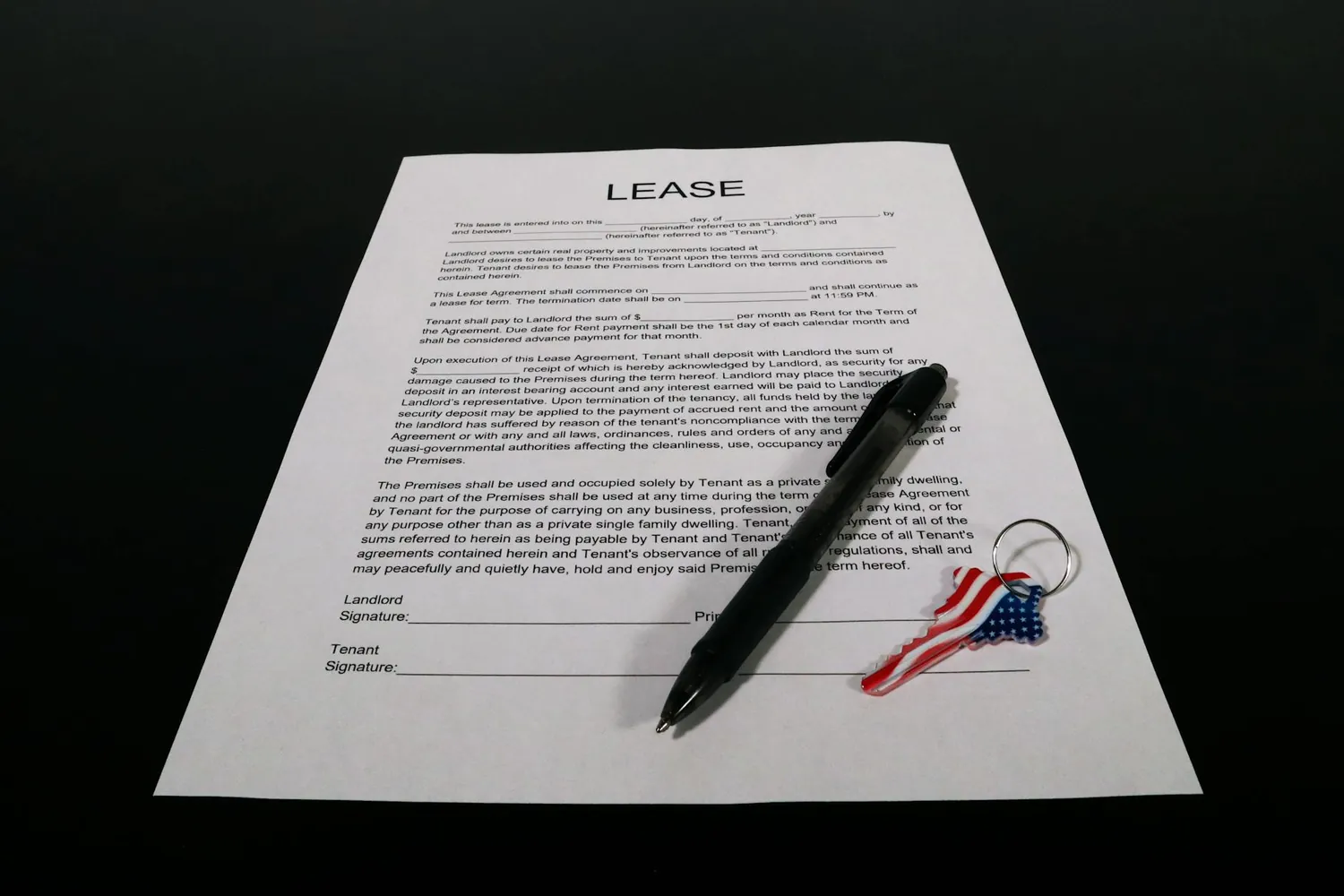
For first-time landlords, creating an effective rental agreement is a critical step in ensuring a smooth landlord-tenant relationship. A well-drafted agreement not only protects both parties' rights but also sets clear expectations to prevent future disputes. This guide will explore essential components of a rental agreement with practical examples, focusing on payment terms, maintenance responsibilities, and termination clauses.
Payment Terms: Clarity is Key
The payment terms are arguably the most important aspect of any rental agreement. Clear payment terms help avoid misunderstandings regarding rent amount, due dates, and late fees.
Rent Amount and Due Date
Clearly state the monthly rent amount and specify the due date. Here is an example clause:
Example: "The monthly rent for the premises is $1,200, payable in advance on the first day of each month."
Accepted Payment Methods
Outline acceptable payment methods. With various digital options available, be flexible yet specific.
Example: "The tenant may pay rent via bank transfer, check, or through online payment platforms such as PayPal or Venmo."
Late Payment Policies
Include a detailed late payment policy, specifying any fees or penalties.
Example: "A late fee of $50 will be charged if the rent is not received by the fifth day of the month."
Security Deposits: Protection for Both Parties
A security deposit protects the landlord against damages or unpaid rent. Clearly outline the terms regarding its use and return.
Amount and Use
Specify the deposit amount and potential uses.
Example: "A security deposit of $1,200 is required prior to occupancy. This deposit may be used for damages beyond normal wear and tear or for unpaid rent."
Return Conditions
Outline the conditions for returning the deposit after tenancy ends.
Example: "The security deposit will be returned within 30 days after lease termination, provided no damages exceed normal wear and tear and all terms have been met."
Maintenance Responsibilities: Dividing Duties
Clearly delineate maintenance responsibilities between landlord and tenant to prevent disputes over repairs and upkeep.
Landlord's Responsibilities
The landlord should handle structural repairs and major systems maintenance.
Example: "The landlord is responsible for maintaining plumbing, electrical systems, and structural integrity of the property."
Tenant's Responsibilities
The tenant typically manages routine upkeep like cleanliness and minor repairs.
Example: "The tenant agrees to keep the premises clean and dispose of waste properly. Minor repairs under $50 will be handled by the tenant."
Termination Clauses: Ensuring Fairness
A well-defined termination clause can protect both parties if one wishes to end the lease prematurely.
Lease Termination by Tenant
Specify notice requirements for tenants wishing to terminate early.
Example: "Tenants must provide a 60-day written notice prior to lease termination."
Lease Termination by Landlord
The agreement should detail conditions under which a landlord can terminate.
Example: "The landlord may terminate this lease with a 30-day notice if the tenant violates any terms including non-payment of rent or illegal activities."
Create Your Own Rental Agreement Framework
To ensure you include all necessary elements in your rental agreement, here’s a mini-framework you can adapt:
- Tenant Details: Name, contact information, identification number.
- Property Description: Address, specific unit description.
- Term Length: Start and end dates of the lease.
- Rent Details: Amount, due date, payment method, late fees.
- Security Deposit: Amount, conditions for use and return.
- Maintenance Duties: Landlord vs. tenant responsibilities.
- Termination Conditions: Notice requirements for both parties.
This framework serves as a blueprint for drafting your own comprehensive rental agreements. Adjust each section according to your property specifics and state laws for legal compliance.
Related
- Selling
Effective Paint Color Strategies to Boost Your Home's Appeal
Maximizing Curb Appeal with the Right Paint Colors The exterior of your home is the first impression potential buyers will have. A well-chos…

- Homevalue
the role of economic factors in suburban home value shifts
Understanding Suburban Real Estate Dynamics The real estate market in suburban areas is witnessing unprecedented changes, driven largely by…

- Renting
Flexibility in Renting: The Case for Month-to-Month Agreements
The Appeal of Flexibility: Understanding Month-to-Month Rentals In today's fast-paced world, flexibility is a commodity that many renters va…
- Selling
A Checklist for Setting an Effective Home Sale Price
The Importance of Setting the Right Price Setting the right price for your home is crucial to attract potential buyers and achieve a success…

- Homevalue
Analyzing the Connection Between Schools and Local Real Estate Value
Understanding the Influence of School Quality on Home Values The relationship between school quality and real estate values is a topic of si…

- Investing
Understanding the Trade-offs Between Crowdfunded and Traditional Property Investments
Exploring the World of Real Estate Investing In recent years, the landscape of real estate investing has evolved significantly. Among the ne…