
- Selling
Virtual Tours as a Tool: Enhancing Buyer Engagement for Faster Sales
- By Sakura Tanaka
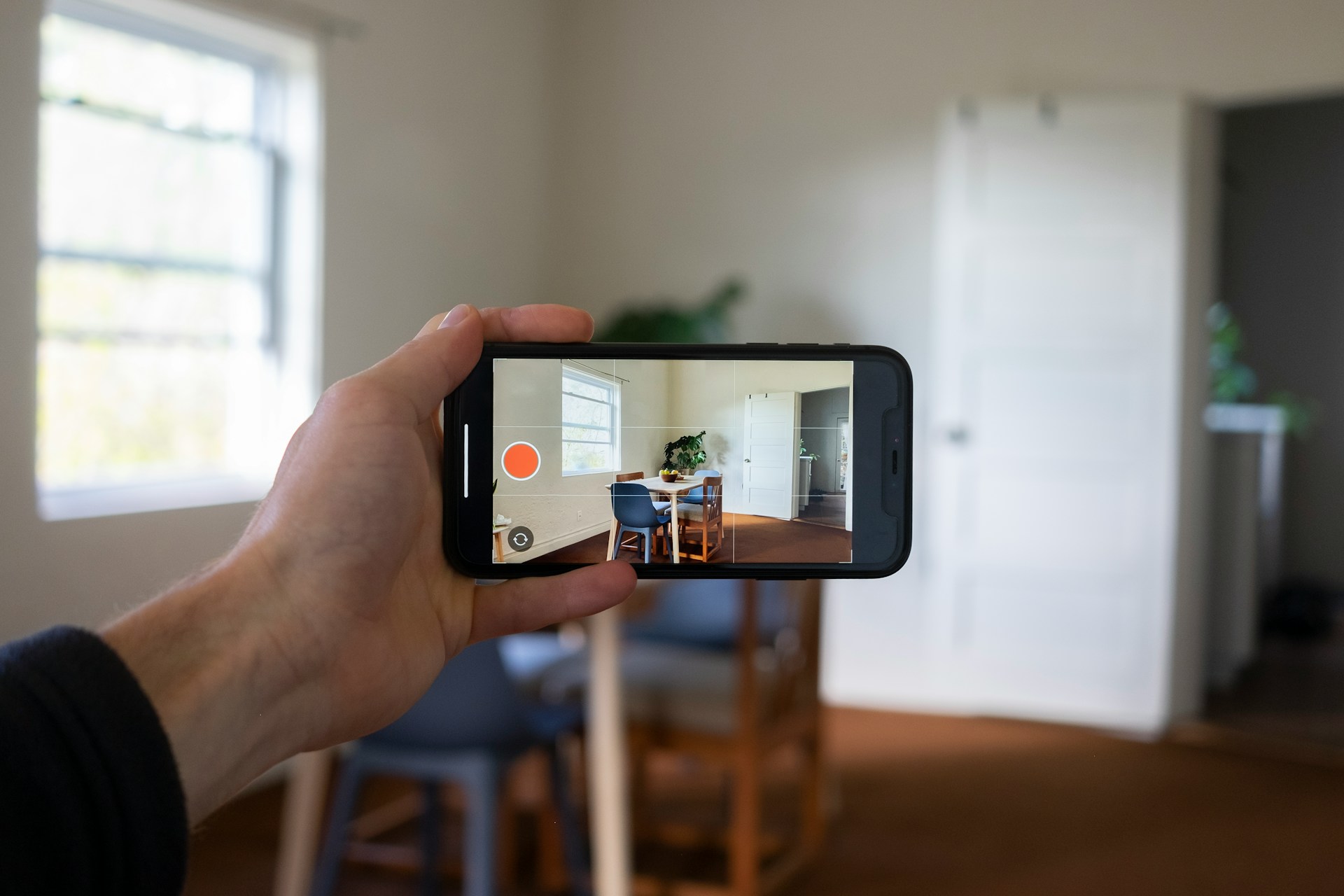
The Rise of Virtual Tours in Real Estate
In the fast-paced world of real estate, sellers and agents are constantly seeking innovative ways to make properties stand out. One such method that has gained significant traction is the use of virtual tours. These immersive experiences allow potential buyers to explore homes in great detail, from the comfort of their own living rooms. With the COVID-19 pandemic accelerating the adoption of digital tools, virtual tours have become more than a novelty; they are now an essential component of the home selling strategy.
Why Virtual Tours Matter
Virtual tours provide an interactive and engaging way to showcase a property. Unlike static photos, these tours allow prospective buyers to navigate through a home at their own pace, gaining a realistic sense of the space, layout, and flow. This can be especially important for buyers who are relocating from other cities or countries and cannot easily visit the property in person.
According to the National Association of Realtors, listings with virtual tours receive more views and generate higher engagement rates compared to those without. This increase in exposure can lead to faster sales, as potential buyers can make more informed decisions quickly.
Tools and Technologies for Creating Virtual Tours
Creating an effective virtual tour requires the right technology and tools. Here’s a checklist of essential equipment and software needed:
- 360-Degree Camera: Devices like the Ricoh Theta Z1 or the Insta360 One X2 are popular choices for capturing high-quality 360-degree images.
- Tripod: A sturdy tripod ensures stability during shooting, which is crucial for producing professional-grade visuals.
- Virtual Tour Software: Platforms like Matterport, Kuula, or Roundme offer user-friendly interfaces to stitch images into seamless virtual tours.
- Editing Software: Tools such as Adobe Photoshop or Lightroom for enhancing image quality before uploading them to your virtual tour platform.
By investing in these tools, sellers can create compelling virtual presentations that captivate potential buyers.
Steps to Create an Effective Virtual Tour
The process of creating a virtual tour can be broken down into several key steps:
- Plan Your Tour: Decide on the flow of your tour. Start from the front door and proceed through the main areas, highlighting features like the kitchen, living room, master suite, and any special amenities.
- Shoot Strategically: Ensure each room is well-lit and decluttered before capturing images. Take multiple shots from different angles to ensure coverage.
- Stitch Images Together: Use your chosen virtual tour software to stitch together your images into a cohesive experience. Add navigation hotspots to guide viewers through the property.
- Enhance Visuals: Use editing software to adjust brightness, contrast, and color balance to enhance image quality.
- Add Descriptive Tags: Incorporate information tags within the tour that highlight unique features of the home, such as high-end appliances or smart home integrations.
Scenario: From Listing to Sale - A Virtual Tour Success Story
Consider a scenario where a family is selling their suburban home. With traditional open houses challenging due to geographical distances, they turn to virtual tours. Using a 360-degree camera and Matterport software, they create a comprehensive tour that emphasizes their home’s spacious kitchen and beautifully landscaped backyard.
A couple relocating from another state stumbles upon their listing online. Intrigued by the tour's interactive elements and detailed room descriptions, they arrange for a live video call with the agent to address specific questions. Within weeks, they submit an offer—having never set foot in the home physically until closing.
Common Pitfalls and How to Avoid Them
While virtual tours offer many advantages, there are common pitfalls sellers should be aware of:
- Poor Image Quality: Low-resolution images can detract from the overall experience. Invest in a quality camera and practice capturing crisp images.
- Lack of Flow: Tours that are hard to navigate can frustrate viewers. Plan your shoot carefully, ensuring there is a logical progression from room to room.
- Ignoring Key Features: Overlooking unique selling points can cost you a sale. Be thorough in showcasing all aspects of the property that might interest buyers.
Conclusion: The Future of Home Selling
The integration of virtual tours in real estate marketing strategies is more than a temporary trend; it represents a shift towards more interactive and accessible home buying experiences. As technology continues to evolve, so too will the capabilities of virtual tours, offering even more sophisticated ways to engage potential buyers.
Sellers who embrace this tool not only enhance buyer engagement but also position themselves for quicker sales in an increasingly competitive market. By leveraging technology effectively, sellers can ensure their properties make lasting impressions on prospective buyers—virtual doors open wider than ever before.
Related
- Selling
Effective Paint Color Strategies to Boost Your Home's Appeal
Maximizing Curb Appeal with the Right Paint Colors The exterior of your home is the first impression potential buyers will have. A well-chos…

- Homevalue
the role of economic factors in suburban home value shifts
Understanding Suburban Real Estate Dynamics The real estate market in suburban areas is witnessing unprecedented changes, driven largely by…

- Renting
Flexibility in Renting: The Case for Month-to-Month Agreements
The Appeal of Flexibility: Understanding Month-to-Month Rentals In today's fast-paced world, flexibility is a commodity that many renters va…
- Selling
A Checklist for Setting an Effective Home Sale Price
The Importance of Setting the Right Price Setting the right price for your home is crucial to attract potential buyers and achieve a success…

- Homevalue
Analyzing the Connection Between Schools and Local Real Estate Value
Understanding the Influence of School Quality on Home Values The relationship between school quality and real estate values is a topic of si…

- Investing
Understanding the Trade-offs Between Crowdfunded and Traditional Property Investments
Exploring the World of Real Estate Investing In recent years, the landscape of real estate investing has evolved significantly. Among the ne…